-
FOOD MARKETS
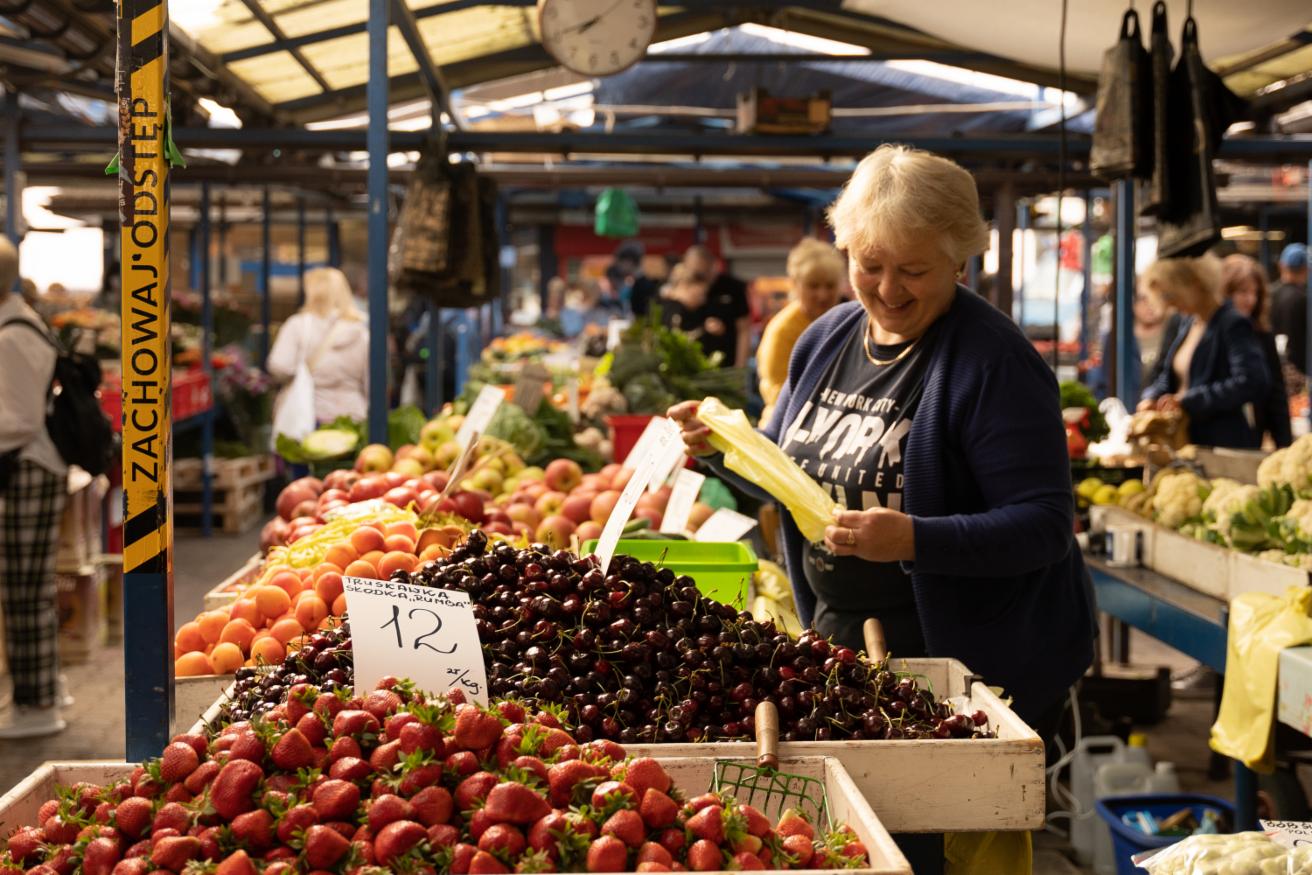
IN THE BELLY OF KRAKOW
At the heart of Krakow lies Stary Kleparz, a vibrant market offering a rich variety of traditional southern Polish foods. From chef’s bigos cooked right on the spot to handmade pierogi, the market is a flavorful entry point to ...

-
Episode
-
Territories:
Worldwide.
-
Production year:
2026
-
Language(s):
German, English, French
-
Rights:
TV, DVD, NON-THEATRICAL, INTERNET, VOD
At the heart of Krakow lies Stary Kleparz, a vibrant market offering a rich variety of traditional southern Polish foods. From chef’s bigos cooked right on the spot to handmade pierogi, the market is a flavorful entry point to the region’s culinary heritage. We travel through Lesser Poland to discover the smoky oscypek cheese, lavender vinegar, sausages, and a rare trout breed, before returning to the city for a taste of obwarzanek and pączki — the city’s famous bread ring and the sweet fried dough. Krakow’s market bridges past and present, field and feast.
Stary Kleparz, Krakow’s oldest food market, is a buzzing crossroad of local tradition and flavors. It’s here that Bartosz stirs his pot of steaming bigos — a rich stew of cabbage and meats — for customers strolling among colorful stalls. Maria folds the pierogi by hand, keeping alive a recipe passed down through generations. But the story of Krakow’s food doesn’t end in the city.
We head south toward the Podhale region, nestled in the Carpathians near the Tatra Mountains. There, shepherd Krysztof tends his flock and crafts oscypek, a traditional smoked goat’s milk cheese, following age-old methods. Anna and Michał harvest fields of lavender to transform into a fragrant culinary vinegar, while in Piaski Wielkie, Szczepan shares his time-honored technique for smoking sausages — a process that gives each bite its distinctive flavor. Nearby, in the Ojców National Park, Agnieszka and her mother raise and smoke trout in the cool mountain waters, and on Irena’s farm, plums are dried and smoked on woodfire to create a uniquely Polish delicacy.
Back in Krakow, the streets are alive with the scent of obwarzanek — the iconic, sesame-topped bread rings baked in Krzysztof’s oven and sold warm from city stalls. For those with a sweet tooth, there are pączki — fried dough delights filled with jam and sugar, the true ancestors of the American donut. Krakow’s food scene is a living mosaic of seasonal ingredients, historical recipes, and passionate people who keep traditions alive, both in the city and across the countryside.
-
FOOD MARKETS
IN THE BELLY OF BUCHAREST
Piata Obor is Romania’s culinary heart, where city chefs and home cooks alike source the freshest ingredients. From Doru’s cherry orchard to Ionuț’s fragrant herbs, the market links the hi-tech capital to its rural roots. We ex...
-
-
Territories:
Worldwide.
-
Production year:
2026
-
Language(s):
German, English, French
-
Rights:
TV, DVD, NON-THEATRICAL, INTERNET, VOD
Piata Obor is Romania’s culinary heart, where city chefs and home cooks alike source the freshest ingredients. From Doru’s cherry orchard to Ionuț’s fragrant herbs, the market links the hi-tech capital to its rural roots. We explore rustic goulash, colorful lobodă, traditional desserts like papanasi and we taste bragă, a tangy fermented drink. Outside the city, we join harvesting juicy watermelons and fishing on the Danube Delta. Piata Obor is a delicious blend of tradition, creativity, and seasonal bounty.
In Bucharest, Piata Obor is more than a food market. It’s a living showcase of Romanian flavor and traditions. Beneath its wide roof, farmers and food lovers exchange not only goods but also stories. Chef Mihai, a market regular, reinvents the classic goulash with offcuts and forgotten parts of the animal, giving new life to humble ingredients. Robert prepares a steaming dish of lobodă — red orach — with a burst of color and taste. And food blogger Jamila offers her take on papanasi, Romania’s iconic dessert made of fried dough, cheese, and jam.
Beyond the market’s colorful stalls, we venture into the orchards of Doru, whose cherry trees bear fruit with unmatched sweetness. In the fields surrounding the capital, young Ionuț cultivates aromatic herbs —thyme, lovage and many more — all destined for Obor’s tables. In Dăbuleni, Ninel proudly harvests his watermelons, prized for their size and taste. Then, we meet Dragoș, one of the few remaining producers of bragă, an ancient, fermented grain drink once popular across the Balkans. Made from wheat or corn, it’s tangy, lightly fizzy, and deeply rooted in Romanian heritage just as the Prussian carps, fished in the Danube Delta.
Returning to Obor, the market pulses with life — its stands brimming with pickles, fruit, grilled minced meat and spices. With its deep connections to the surrounding countryside, Piata Obor captures Romania’s complex relationship with food: at once rustic and refined, rooted in the past and open to reinvention. Here, tradition meets creativity, and every ingredient tells a story.
-
-
FOOD MARKETS
IN THE BELLY OF ROME
The Trionfale Market in Rome is the Eternal’s city largest food market. Among the 144 city markets running daily, the 273 stalls at the recently built Trionfale, showcases the essence of the Roman culinary tradition: one of sim...
-
Episode
-
Territories:
Worldwide.
-
Production year:
2026
-
Language(s):
German, English, French
-
Rights:
TV, DVD, NON-THEATRICAL, INTERNET, VOD
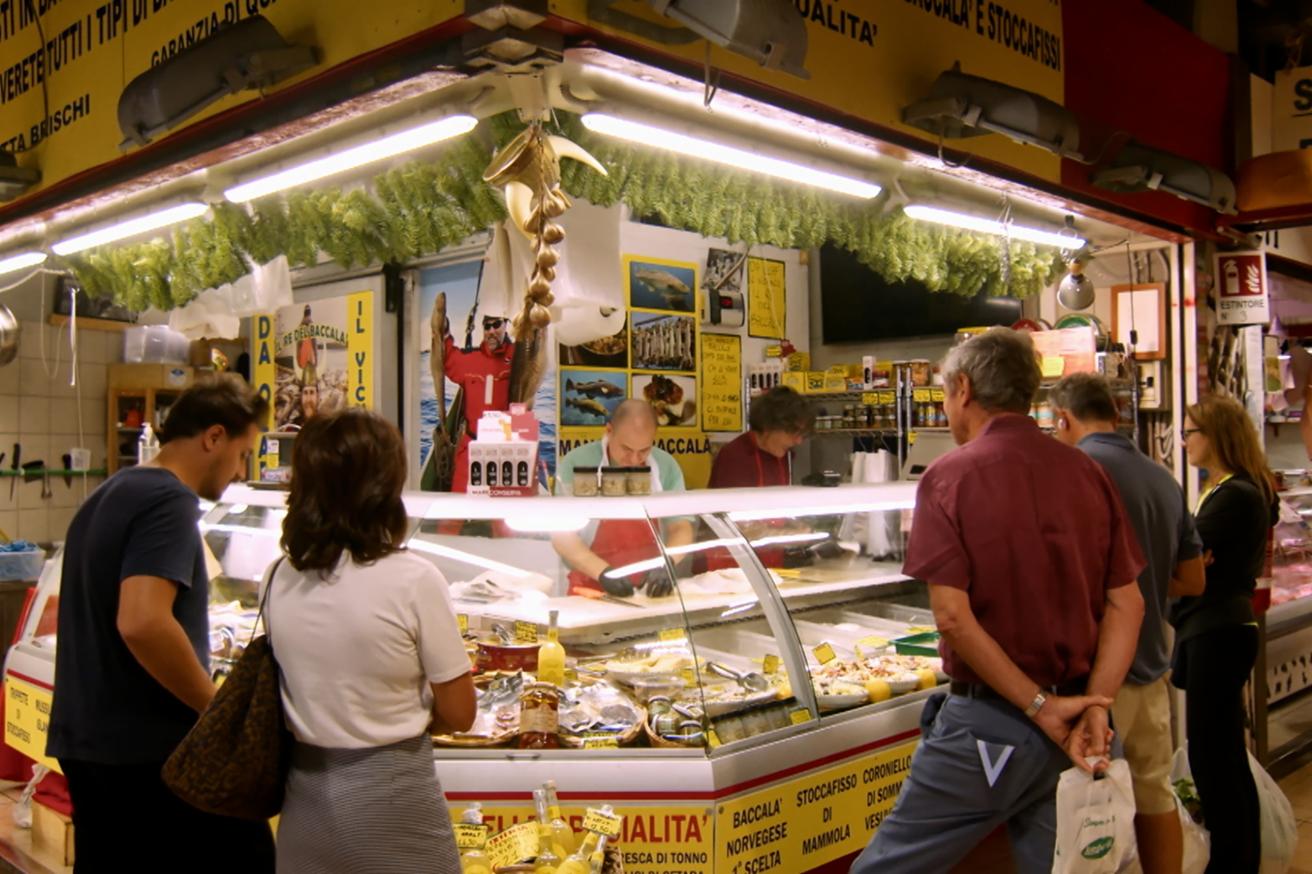
The Trionfale Market in Rome is the Eternal’s city largest food market. Among the 144 city markets running daily, the 273 stalls at the recently built Trionfale, showcases the essence of the Roman culinary tradition: one of simplicity and taste. From Loredana’s artichokes to Flavio -"Olaf’s" baccalà or salted cod and Giuseppe’s Pecorino Romano – salted sheep cheese, this food hub connects housewives and youngsters shopping with chefs, farmers, and artisans that bring their rich agricultural heritage to the stalls: be it cooking the Cacio e Pepe or using the wild strawberries in a cake.
Rome’s culinary heartbeat thrives at the Trionfale Market, the city’s largest food hub with 273 stalls. Located in the elegant neighbourhood of Prati, just behind the Vatican walls, yet rooted in its humble historic origins, the newly built market offers vibrant corridors divided by product and origin: green for farmer’s fruits and vegetables, blue for fish, and red for meat. Loredana is a beloved vendor who brings forward a decade-long tradition of selling artichokes, a cornerstone of the Roman cuisine, and of the 16th century Jewish ghetto. Chef Davide teaches at the culinary institute close to the Via Appia, sharing the secrets of the carciofi alla giudia with his students.
In Castel di Guido, Sandro cultivates a variety of vegetables and in May his major production is focused on the zucchini and its flowers. One of his customers has a bistro close to the market, and transforms the flowers into simple yet delicious dishes. Flavio “Olaf” known as "the Viking," prepares and sells exquisite salted and dried cod, advising the customers on the best way to cook it while Beppe, a cheese producer from Piedmont, champions the Pecorino Romano, a salted sheep milk cheese used by the Roman legionaries 2700 years ago. After seeing the production facilities in Torrita Tiberina, we are led back to a local chef preparing the traditional tonnarelli cacio e pepe. And what cannot be missed are the seasonal treasures like Danilo’s wild strawberries from Nemi, or the iconic Roman staples such as the porchetta – piglet spitted over firewood - from Ariccia, one of the Roman castles.
-
FOOD MARKETS
IN THE BELLY OF PORTO
The Mercado do Bolhão, a vibrant historic market in Porto, Portugal, reopened in 2022 after a meticulous restoration, preserving its century-old traditions. Known as the women's market, there are over 70 stalls offering fresh p...
-
Episode
-
Territories:
Worldwide.
-
Production year:
2026
-
Language(s):
German, English, French
-
Rights:
TV, DVD, NON-THEATRICAL, INTERNET, VOD
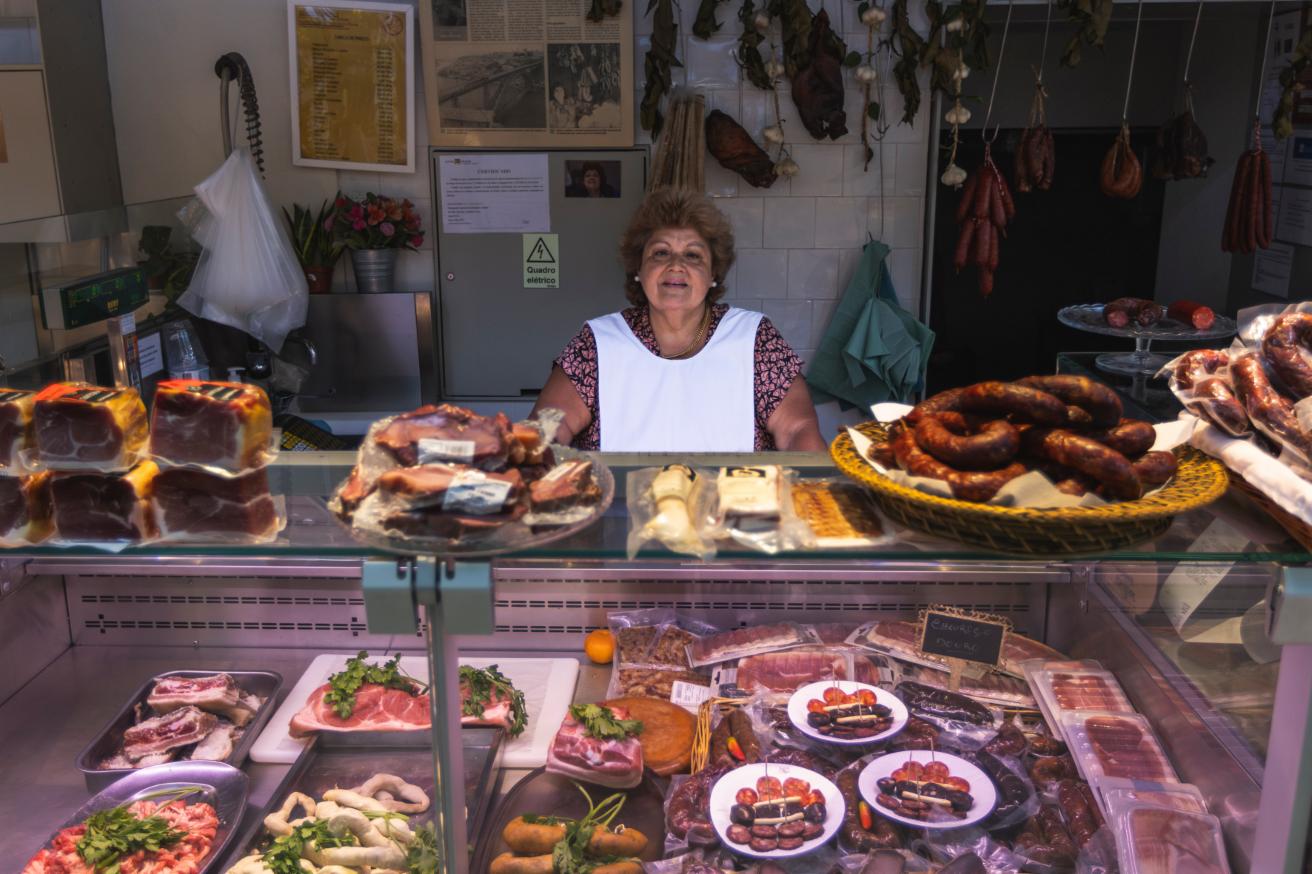
The Mercado do Bolhão, a vibrant historic market in Porto, Portugal, reopened in 2022 after a meticulous restoration, preserving its century-old traditions. Known as the women's market, there are over 70 stalls offering fresh produce, fruits, cheese, and a variety of vegetables. Sardines, tripe and spicy cured meats are part of the city’s culinary culture and the areas surrounding the Douro river offer agricultural products that are part region’s history. With its lupin beans, pine nuts and dried fruit this culinary hub reflects the essence of Northern Portugal.
The Mercado do Bolhão in Porto is a testament to the local culinary and cultural traditions. Beautifully restored and reopened in 2022, after an animated debate and a four-year renovation, it is still known as the “women’s market”. Since 1914 its 70 stalls brim with local treasures sold by women vendors: Dona Bininha offers fresh sardines and other fish as she has been doing since she was a child, Maria Lindinha provides prime cuts of meat and tripe for dishes like tripa à moda do Porto, and Maria sells turnips and vegetables to the customers that run the local soup bars. One of them is Dona Rosa who crafts her signature green turnip soup, while young Sofia, who represents the new generation of vendors, is specialized in dried fruits and nuts. Rui a young architect guides us through the stalls while buying his favourite cheese and chorizo, explaining the importance of the market for the people of Porto and the outcome of the renovation.
With Batata, a sardine fisherman we travel to Espinho, to see the xávega fishing and then how sardines are at the centre of culinary innovations by local chefs. In Vila Nova de Gaia, Gerardo bakes broa de Avintes, a historic, highly cherished bread made with three flours, one of which coming from the most Northern Montalegre province and São Pedro da Cova, where Ana Maria cultivates sweet, luscious figs.
The Mercado do Bolhão is facing the challenge brought by tourists flooding the city of Porto, but its links to the local customers are strong and a balance between serving foreigners and the neighbourhood locals can be achieved.
-
FOOD MARKETS
IN THE BELLY OF FRANKFURT
The Kleinmarkthalle is Frankfurt’s food hub brimming with regional delights. Here one can find the authentic Frankfurter Green Sauce, the real Frankfurter würstchen, and the famous applewine. Through the stories of passionate p...
-
-
Territories:
Worldwide.
-
Production year:
2026
-
Language(s):
German, English, French
-
Rights:
TV, DVD, NON-THEATRICAL, INTERNET, VOD
The Kleinmarkthalle is Frankfurt’s food hub brimming with regional delights. Here one can find the authentic Frankfurter Green Sauce, the real Frankfurter würstchen, and the famous applewine. Through the stories of passionate producers like Kathrin with her Griesheim-grown leeks, Nils and his Woolpigs and Tanja’s famous Frankfurter Crown, the episode celebrates the vibrant culinary traditions, fresh produce, and cultural identity of the city. A journey where the traditional 7 herbs and Handkasse meet the diverse customers living in the heart of Frankfurt.
Frankfurt’s Kleinmarkthalle has been a bustling hub for food lovers since the late 19th century. Rebuilt in 1954 after its destruction during World War II, this vibrant market, now situated in a very simple, rational building tells a story of resilience and celebrates the city’s connection to its regional cuisine. On offer there are a large range of products, from the leeks of Griesheim cultivated by Kathrin and her family to the prized Mangalitza or Wool pigs raised by Nils and his father in Groß-Zimmern. The market brings the finest of Hessian produce to its stalls, and to the table, as Chef Bernd takes us into the culinary traditions of the city by preparing the iconic Green Sauce, made with 7 of the finest herbs harvested in Frankfurt’s Nieder-Erlenbach. The episode also explores green asparagus harvesting in Weiterstadt, the cultivation of redcurrants in Kriftel and the pressing of the bitter Speierling fruit used in the making of the applewine in Hattersheim. At the market, we meet Ilse – the soul of the market, a beloved vendor known for her traditional attire, her array of sausages, and her inviting manners and Tanja who crafts the famous Frankfurt Crown, a cake made like a jewel. Amid this dynamic environment, Kleinmarkthalle showcases the best of Frankfurt’s culinary identity, from its Handkasse with music to its wine but also the diverse cultural influences of the over 170 nationalities living in the city. A richness all on display at the market!
-
-
FOOTBALL REBELS
SOCRATES AND THE CORINTHIAN'S DEMOCRACY (BRAZIL)
Socrates. The mythical player of the early 80s for democracy, with Lula.
-
-
Director(s):
PEREZ (GILLES), ROF (GILLES)
-
Producer(s):
13 PRODUCTIONS
-
Territories:
Worldwide.
-
Production year:
2012
-
Language(s):
German, English, French
-
Rights:
TV, DVD, NON-THEATRICAL, INTERNET, VOD
Socrates. The mythical player of the early 80s for democracy, with Lula.
The story of the Brazilian Sócrates, who in the middle of the dictatorship in the early 1980s, transformed every match into a political meeting for democracy.
-
-
360° REPORT
451 - UGANDA: THE DOGS OF HOPE
Uganda was the stage for a long and bloody civil war, leaving countless victims in its wake. Many survivors remain traumatized, still suffering from the atrocities they endured. In this deeply scarred country, the Comfort Dog P...
-
-
Territories:
Worldwide.
-
Production year:
2025
-
Language(s):
German, English, French
-
Rights:
TV, DVD, NON-THEATRICAL, INTERNET, VOD
Uganda was the stage for a long and bloody civil war, leaving countless victims in its wake. Many survivors remain traumatized, still suffering from the atrocities they endured. In this deeply scarred country, the Comfort Dog Project aims to help Ugandans overcome their trauma. With its hope-bringing dogs, this ambitious initiative is already yielding its first results.
-
-
FOOD MARKETS
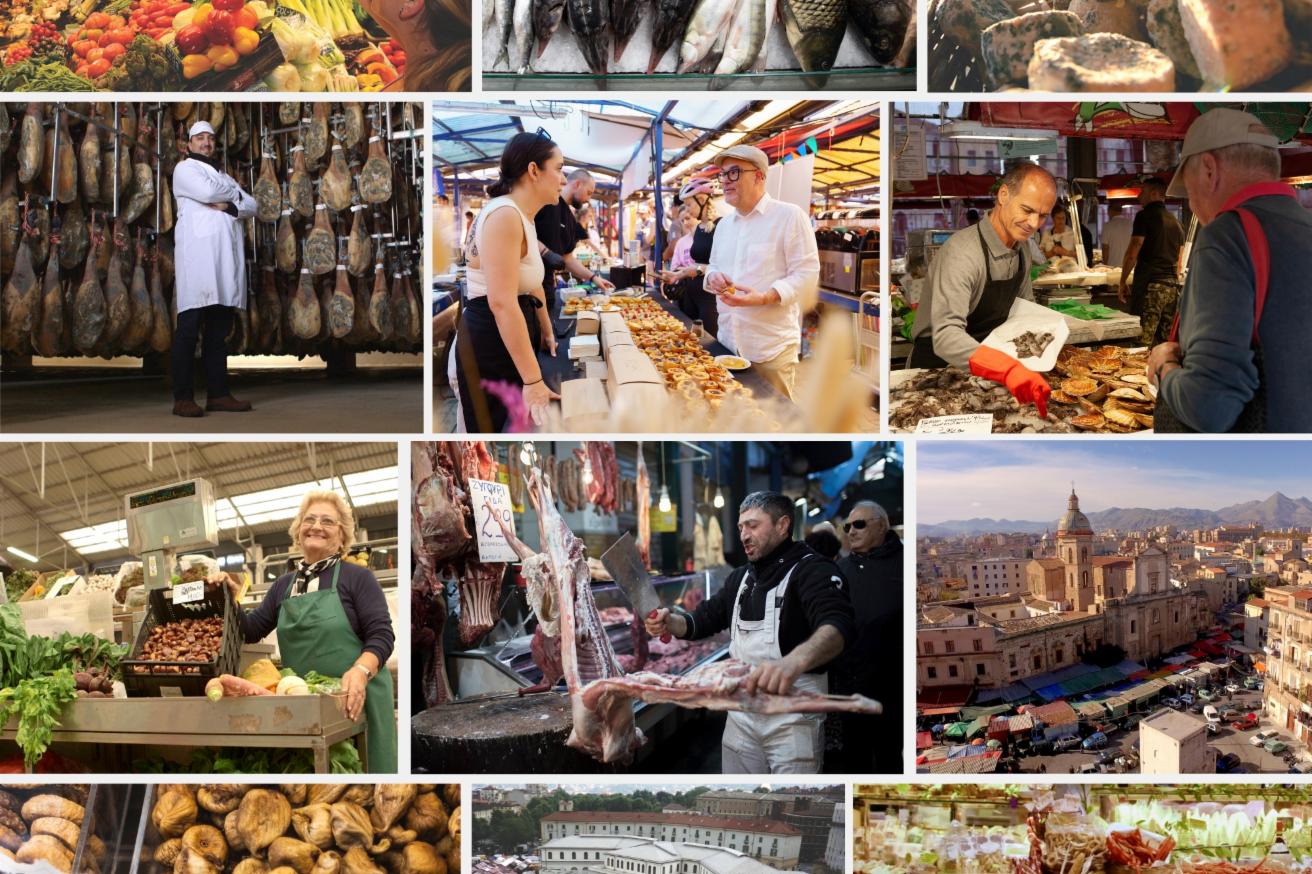
29 markets, 29 complex systems that play a crucial role in their city : Krakow, Bucharest, Rome, Porto, Frankfurt... They all have a big belly: the city's food market that feeds a significant part of their population.
-
Series (6 Seasons | 29 Episodes available)
-
Director(s):
TEALDI (Stefano)
-
Producer(s):
STEFILM, ARTE DEUTSCHLAND TV GMBH, MAJADE FILMPRODUKTION, ZWEITES DEUTSCHES FERNSEHEN
-
Territories:
Worldwide.
-
Production year:
2026
-
Language(s):
German, English, French, Italian
-
Rights:
TV, DVD, NON-THEATRICAL, INTERNET, VOD
29 markets, 29 complex systems that play a crucial role in their city : Krakow, Bucharest, Rome, Porto, Frankfurt... They all have a big belly: the city's food market that feeds a significant part of their population.
We all know what a food market is. We're attracted by the electrifying colours, pulsing sounds and gorging products. But what do we know about how a food market actually works? How do enormous quantities of food reach there every day and where does it come from? Who decides the prices and puts together thousands of different vendors in huge but concentrated areas? Food Markets graphs the changes that have taken place at the heart of the cities food supply systems from an entirely new perspective.
-

Series (23 Episodes available)
-
Producer(s):
ARTE FRANCE, Elephant
-
Territories:
Worldwide.
-
Production year:
2022
-
Language(s):
German, French
-
Rights:
TV, DVD, NON-THEATRICAL, INTERNET, VOD
Travel around the world's kitchens to discover the most popular recipes from each country. Follow the advice of international amateur and professional cooks: choice of ingredients, presentation tips and tastings on the menu!
Do you want to impress your guests and make them "gustatively" travel? Follow the advice of international amateur and professional cooks to make sweet and savory dishes: choice of ingredients, presentation tips and tasting buds on the menu!
-


Series (5 Episodes available)
-
Director(s):
PRIGENT (LOÏC)
-
Producer(s):
TMC, BANGUMI
-
Territories:
Worldwide.
-
Production year:
2020
-
Language(s):
English, French
-
Rights:
TV, DVD, NON-THEATRICAL, INTERNET, VOD
Loic Prigent opens the secret doors of Paris Fashion Week. Interviews of creative directors, journalists and influencers help us understand this obscure microcosm and give us the keys to fully apprehend this hidden industry.
Loic’s camera films discreetly and lets the viewer observe as a real attendee of these crazy fashion moments. Paris Fashion Week enables the audience to finally experience and understand the unique circus of fashion shows.
AVAILABLE IN ENGLISH: THE EXCEPTIONAL SHOW
-
-
Territories:
Worldwide.
-
Production year:
2021
-
Language(s):
German, English, French
-
Rights:
NON-THEATRICAL, TV, VOD, DVD, INTERNET
We are thrilled to present you our new thematical collections Unifrance Rendez-Vous in Paris!
CLICK ON THE LINKS BELOW TO DISCOVER THEM NOW
EUROPEAN WOMEN COLLECTION
PARIS I LOVE YOU COLLECTION
EUROPEAN WAY OF LIFE COLLECTION
EUROPE HERITAGE COLLECTION
-
-


Series
-
Producer(s):
ARTE FRANCE, 2P2L
-
Territories:
Worldwide.
-
Production year:
2009
-
Language(s):
German, English, French
-
Rights:
TV, DVD, NON-THEATRICAL, INTERNET, VOD
Chic ! meets those seeking alternatives, with their surprising initiatives, offbeat life-styles and unusual creations.
This magazine deciphers trends in fashion, architecture, gastronomy and design, revealing a world of creativity and wellbeing.
Innovation, the unusual, pleasure, and sustainable development are not just the stuff of creatives tey concern everyone!


Loading...