-
THE GREAT EGYPTIAN MYTHS
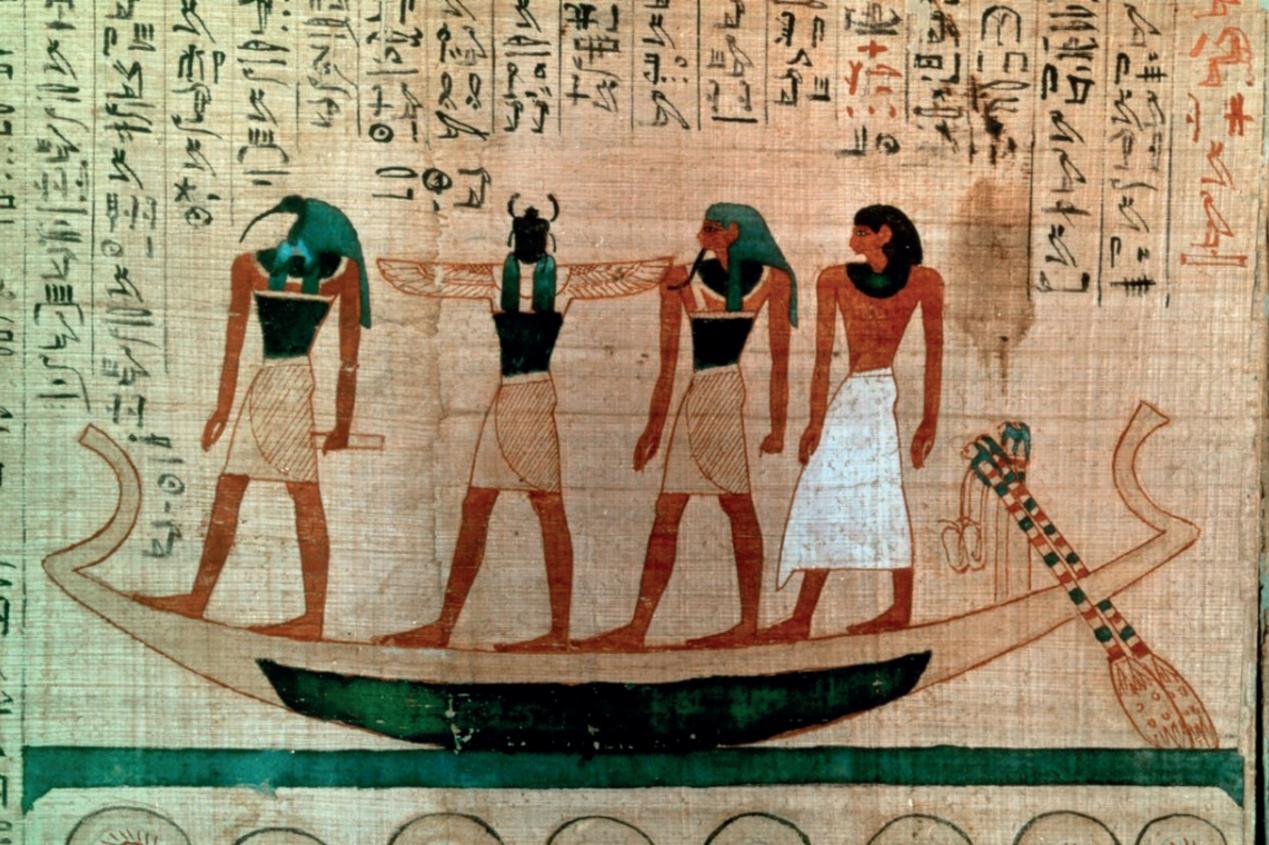
After The Great Greek Myths, The Iliad and The Odyssey, and The Viking Myths, get ready to dive into the fascinating world of ancient Egypt and the secrets of the gods who shaped its mythology.

-
Series
-
Director(s):
GUENA (Pauline), BUSNEL (François)
-
Producer(s):
ROSEBUD PRODUCTIONS, ARTE FRANCE
-
Territories:
Worldwide.
-
Production year:
2027
-
Language(s):
German, English, French
-
Rights:
TV, DVD, NON-THEATRICAL, INTERNET, VOD
After The Great Greek Myths, The Iliad and The Odyssey, and The Viking Myths, get ready to dive into the fascinating world of ancient Egypt and the secrets of the gods who shaped its mythology.
The Egyptian civilization, both fascinating and millennial, is one of the richest and most mysterious civilizations in the world. It survived for twice as long as the current Western Christian civilization. It was built around a constellation of gods and goddesses. Between ancient papyri, betrayals and secret powers, Egyptian mythology reveals a spiritual world where each deity, protagonist of the greatest legends of our culture, embodied a facet of life and nature. A journey into the heart of the invisible and the sacred, where beliefs and art collide.
-
THE CAREER OF A POST-WAR NAZI
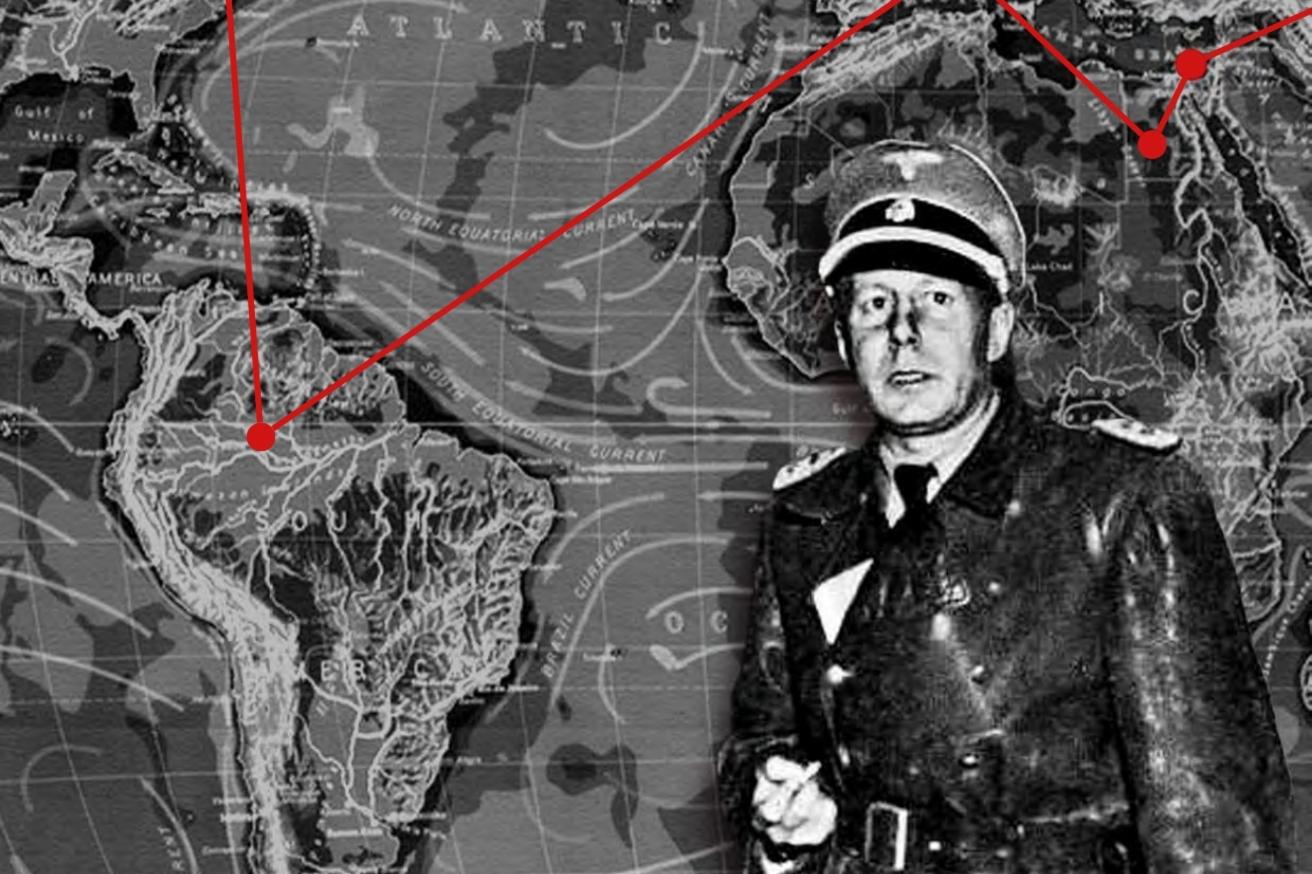
This documentary traces SS commander Walter Rauff’s global journey after World War II. Through this story, set in the middle of the Cold War, this film sheds light on the hidden side of international geopolitics, the survival o...
-
Series (2 Episodes available)
-
Director(s):
KLOTZ (JEAN-CHRISTOPHE)
-
Producer(s):
ZADIG PRODUCTIONS, ARTE FRANCE
-
Territories:
Worldwide.
-
Production year:
2026
-
Language(s):
German, English, French
-
Rights:
TV, NON-THEATRICAL, INTERNET, VOD
This documentary traces SS commander Walter Rauff’s global journey after World War II. Through this story, set in the middle of the Cold War, this film sheds light on the hidden side of international geopolitics, the survival of Nazi criminal networks, and their enduring impact today.
Since the mid-2000s, newly declassified archives have exposed the extent to which Nazi criminals were reintegrated by various states after the Second World War. This documentary focuses on the story of Walter Rauff, an SS commander involved in the persecution and mass murder of Jewish people. His postwar journey reveals a dark and complex network that stretched from the Vatican to West Germany, Egypt, Syria, and even Israel. A network closely monitored by U.S. intelligence services who intended to use it to their advantage. Rauff later resumed his career under Pinochet’s dictatorship in Chile, working as an unofficial advisor to the DINA (Chile’s secret police). His story exemplifies how Nazi ideologies and methods survived the war and were absorbed into repressive regimes around the world. The disappearance of Nazi war criminals did not mark the end of their influence. Their hateful ideology and brutal tactics persist through their ideological successors, still spreading today.
-
ROMAN EMPIRE: THE ROADS THAT BUILT EUROPE
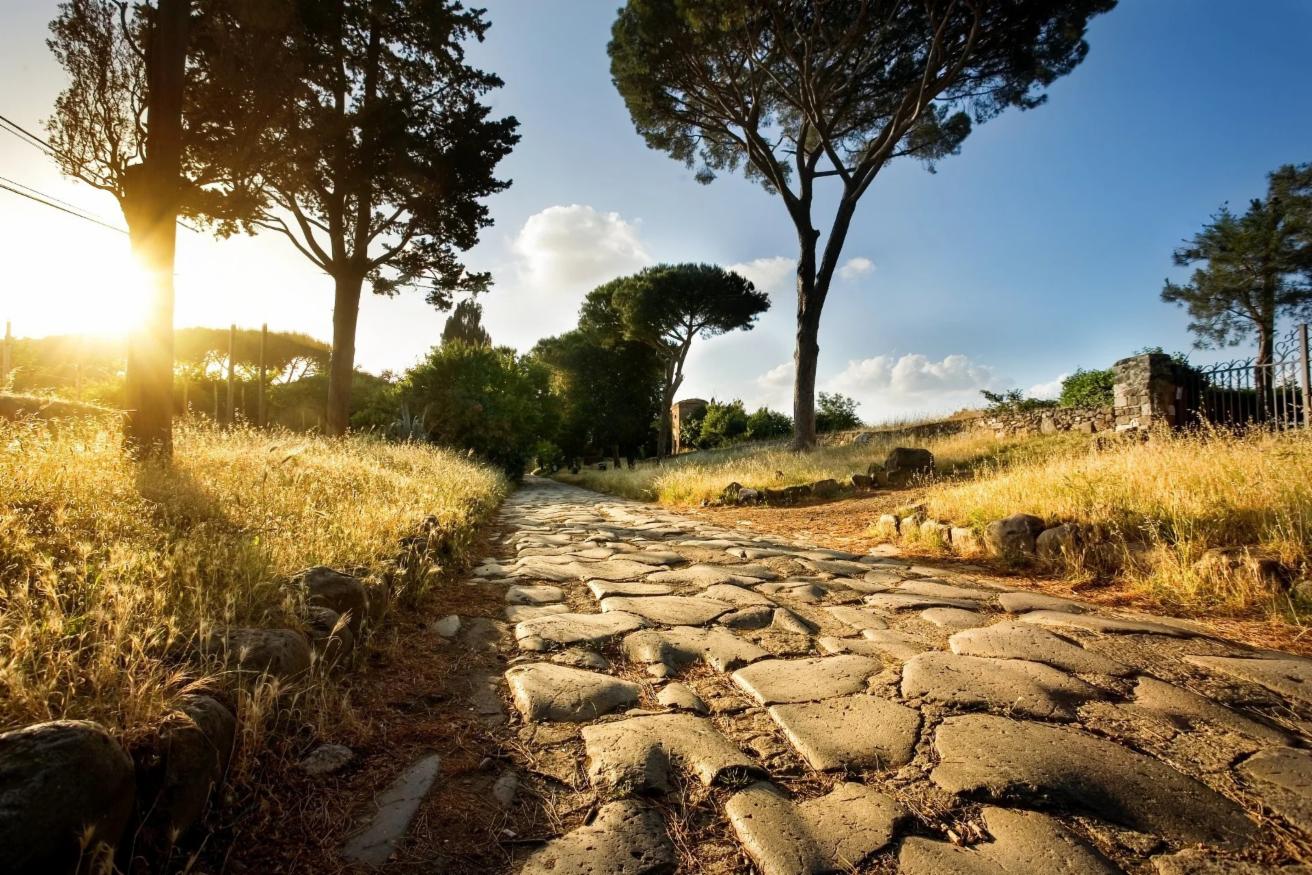
From the Via Appia to the Danube, Roman roads began as tools of conquest and became the lifelines of an empire. Following archaeologists across England, France, Spain, Italy, Romania and Serbia, it traces how engineering, law a...
-
Series (2 Episodes available)
-
Director(s):
DE FAVITSKI (ALEXIS), FERIE (Thibault)
-
Producer(s):
ALMA PRODUCTIONS, ARTE FRANCE
-
Territories:
Worldwide.
-
Production year:
2026
-
Language(s):
German, English, French
-
Rights:
TV, DVD, NON-THEATRICAL, INTERNET, VOD
From the Via Appia to the Danube, Roman roads began as tools of conquest and became the lifelines of an empire. Following archaeologists across England, France, Spain, Italy, Romania and Serbia, it traces how engineering, law and trade turned this network into a force that shaped Europe.
-
BLOOD, SWEAT AND SUGAR
What is the price of sugar, this delicious poison? WIth sequences set in the present day, this historical investigation reveals a global system still fueled by the exploitation of land and people that is rooted in its original ...
-


Series (2 Episodes available)
-
Director(s):
DAMOISEL (MATHILDE)
-
Producer(s):
HAUTEVILLE Productions, ARTE FRANCE
-
Territories:
Worldwide.
-
Production year:
2025
-
Language(s):
German, English, French
-
Rights:
TV, DVD, NON-THEATRICAL, INTERNET, VOD
What is the price of sugar, this delicious poison? WIth sequences set in the present day, this historical investigation reveals a global system still fueled by the exploitation of land and people that is rooted in its original sin: slavery.
What is the price of sugar? How much does the fleeting pleasure of this delicious but useless poison really cost? It's a global addiction that has been fueled by the exploitation of land and people for over five centuries. Sugar was the basis of a civilization which, from the transatlantic slave trade to modern forms of exploitation, has never ceased to brutalize labor in all its forms, and to perpetuate immense lies in order to guarantee the prosperity of its industry. The whole world has been shaped by sugar. From Brazil to Réunion, from Europe to South Africa and from India to the Dominican Republic, its production has laid the foundations for the modern capitalist system, devastated the environment, and led to massive population movements. As the curse of sugar continues to haunt certain parts of the world, we set off to these exploited lands to discover a history of which we are all heirs.
-
USA 1960-1980: THE CONSERVATIVE REVOLUTION
The conservative movement reshaped the U.S., paving the way for Ronald Reagan’s rise and the dominance of free-market ideology. This era, marked by growing inequality and unfiltered political discourse, is revisited through its...
-

Series (3 Episodes available)
-
Director(s):
TOURBE (Cédric)
-
Producer(s):
GENERALE DE PRODUCTION (LA), ARTE FRANCE
-
Territories:
Worldwide.
-
Production year:
2026
-
Language(s):
German, English, French
-
Rights:
TV, NON-THEATRICAL, INTERNET, VOD
The conservative movement reshaped the U.S., paving the way for Ronald Reagan’s rise and the dominance of free-market ideology. This era, marked by growing inequality and unfiltered political discourse, is revisited through its defining images and myths.
-


Series (4 Seasons | 48 Episodes available)
-
Director(s):
VAN WAEREBEKE (DENIS), CARIES (Lucie), LABORDE (Benoît), SIPP (THOMAS)
-
Producer(s):
LES FILMS D'ICI, ARTE FRANCE
-
Territories:
Worldwide.
-
Production year:
2020
-
Language(s):
German, English, Spanish, French
-
Rights:
TV, DVD, NON-THEATRICAL, INTERNET, VOD
World history comes to life before our eyes through a few major dates, revisited through the prism of memory with bold and entertaining visuals. A date is a snapshot, a flashback which requires crossing disciplines such as history, art, archeology and literature for a vibrant and sensitive reading of the past.
-


Series (4 Episodes available)
-
Director(s):
HAYOUN (Jonathan)
-
Producer(s):
ARTE FRANCE, EFFERVESCENCE PRODUCTIONS
-
Territories:
Worldwide.
-
Production year:
2022
-
Language(s):
German, English, French
-
Rights:
TV, DVD, NON-THEATRICAL, INTERNET, VOD
The history of anti-Semitism is a story of demonization that is deeply intertwined with the societies, countries, and ages where it takes place.
It is the story of anti-Semites, of those who, over time, have made Jews their worst enemies. Indeed, at certain times in their history, societies have had a need for a common enemy to unite or galvanize their people, to divert attention, or to serve as a scapegoat. At other times, Jewish people have happily integrated within the communities where they live.
This series examines the twists and turns of this story, from Antiquity to the modern day, from the shores of the Mediterranean to those of the Volga, and from the Iberian Peninsula to the birch forests of Poland. It will encompass Stalin and Pope John XXIII, Hitler and Alfred Dreyfus, King Louis IX or Saint-Louis as he was subsequently known, and Spinoza; some figures of hatred, others more benevolent characters.
The visual framework of the narrative will comprise both the traces left around the world, and remarkable 3D historical reconstructions created for the video game Assassin's Creed, acting as illustrations from the past, along with photographs and film archives from more recent times. It will draw upon research and analysis carried out by prestigious and respected academics. Eschewing witness testimonies and subjective opinions, it will bring together a wide range of contribution from some 30 historians, psychologists, and psychoanalysts to explore the multiple facets of the phenomenon and how they have evolved over time.
It will focus on specific stories from each era that mark out and illustrate the form of these manifestations of violence and hatred in an enlightening and moving manner. It will also provide context for the fightback against this recurrent phenomenon.
This four-episode series paints a comprehensive picture of this, “the longest hatred”.
-

Series
-
Territories:
Worldwide.
-
Production year:
2023
-
Language(s):
German, English, French
-
Rights:
NON-THEATRICAL, TV, VOD, DVD, INTERNET
We are thrilled to present the HISTORY COLLECTION!
-

Series
-
Territories:
Worldwide.
-
Production year:
2025
-
Language(s):
German, English, French
-
Rights:
NON-THEATRICAL, TV, VOD, DVD, INTERNET
As 2025 marks the 80th anniversary of the end of World War II, have a look at our specially curated collection of powerful documentaries. These films provide a profound look at the events, stories, and untold experiences that shaped the course of the 20th century. This milestone invites remembrance, learning, and reflection on the enduring impact of the most destructive and devastating war in history.
DOWNLOAD THE COLLECTION
-

Series (7 Episodes available)
-
Director(s):
MORDILLAT (GERARD), PRIEUR (Jérôme)
-
Producer(s):
ARCHIPEL 33, ARTE FRANCE
-
Territories:
Worldwide.
-
Production year:
2015
-
Language(s):
German, English, French
-
Rights:
TV, DVD, NON-THEATRICAL, INTERNET, VOD
Jesus, the founding figure of Christianity, is also an exceptional character in the Qur’an. Why? In what way? This series leads the investigation, with 26 of the greatest specialists from around the world and explore the emergence of Islam during the tiem of Muhammad.
By the creators of “Corpus Christi.
-


Series (12 Episodes available)
-
Director(s):
MORDILLAT (GERARD)
-
Producer(s):
ARCHIPEL 33
-
Territories:
Worldwide.
-
Production year:
2000
-
Language(s):
German, English, French
-
Rights:
NON-THEATRICAL, TV, VOD, DVD, INTERNET
A historical and scientific enquiry into the origins of the New Testament and the life of Jesus Christ involving specialists from all over the world.
Corpus Christi explores the question of Jesus seen historically and through the texts which tell us about his life. Corpus Christi tackles the viewpoints of the most eminent researchers worldwide who are working on the subject. Corpus Christi enables us to understand just how spectacular the distance is between what we know about Jesus - or what we think we know - and what is known by historians, linguists, bible scholars, and epigraphers who are endlessly analyzing and questioning the most fundamental Christian texts.
Released on DVD by ARTE Video
Best Historical Documentary - Nuit Des Clio 1997.
-

Series (2 Episodes available)
-
Producer(s):
FRANCE 2
-
Territories:
Worldwide.
-
Production year:
2020
-
Language(s):
English
-
Rights:
TV, DVD, NON-THEATRICAL, INTERNET, VOD
In the Middle Ages, Paris gave birth to the world’s most famous stone edifice: Notre-Dame. 7 centuries have passed since its construction. Watch history come alive thanks to 3D reproduction of the monument. A dramatic tale of ambition, talent, destruction, blood and rebirth.
We tell the incredible 700 year saga of the builders and Church’s Men who invented modern day architecture in France and throughout Europe. Driven by the quest for perfect harmony, they created one of the most emblematic sacred monuments known today. 3D animation and documentary will come together in a history film to give an accurate representation of this great historical fresco. Indeed, the fictional tale, entirely in animation sequences will be the backbone of the film, around which the documentary scenes will be built to provide specific historic and technical explanations.
Nominee at the Buzzies of World Congress 2020: award for the Best History Program/Content - Long Format


Loading...