-
THE CAREER OF A POST-WAR NAZI
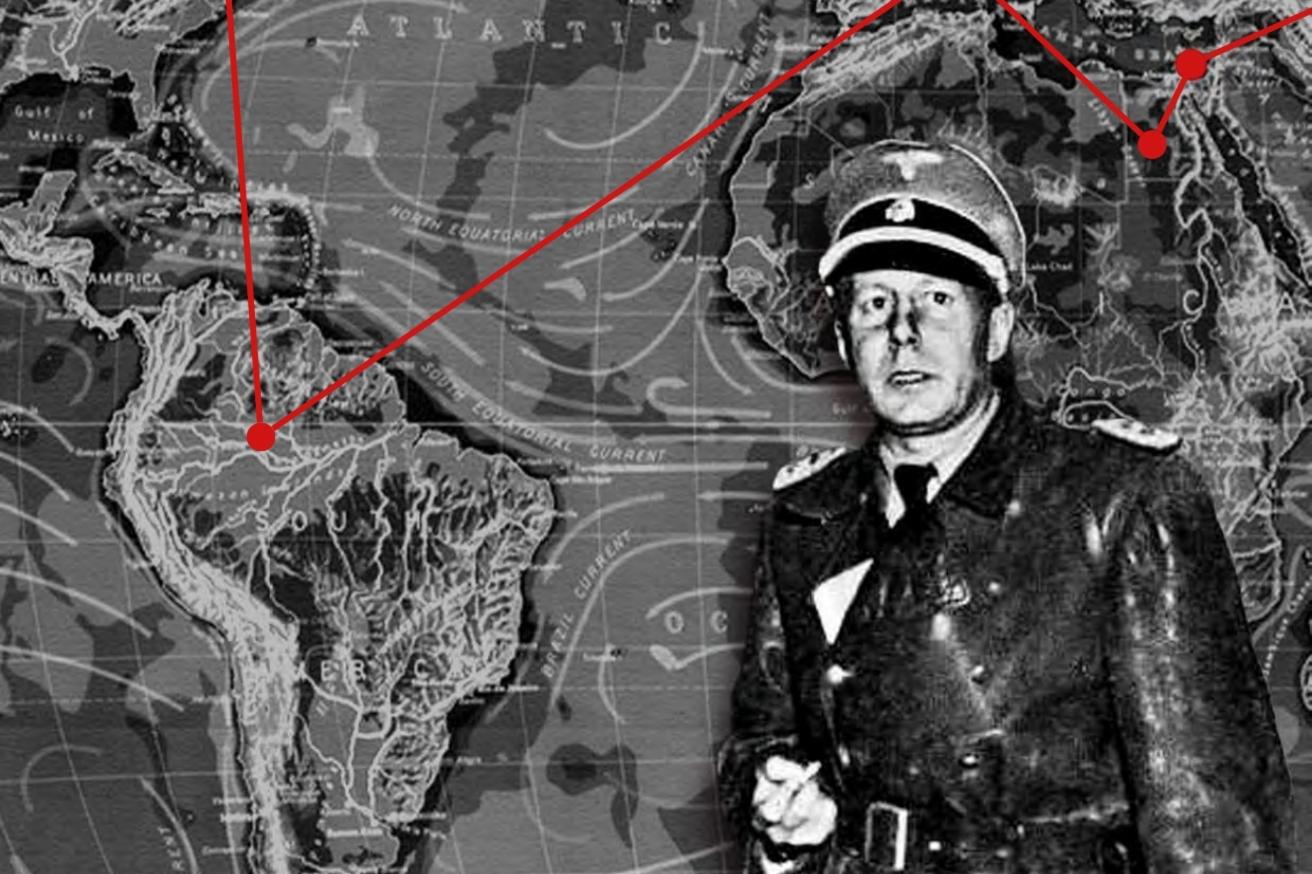
This documentary traces SS commander Walter Rauff’s global journey after World War II. Through this story, set in the middle of the Cold War, this film sheds light on the hidden side of international geopolitics, the survival o...

-
Series (2 Episodes available)
-
Director(s):
KLOTZ (JEAN-CHRISTOPHE)
-
Producer(s):
ZADIG PRODUCTIONS, ARTE FRANCE
-
Territories:
Worldwide.
-
Production year:
2026
-
Language(s):
German, English, French
-
Rights:
TV, NON-THEATRICAL, INTERNET, VOD
This documentary traces SS commander Walter Rauff’s global journey after World War II. Through this story, set in the middle of the Cold War, this film sheds light on the hidden side of international geopolitics, the survival of Nazi criminal networks, and their enduring impact today.
Since the mid-2000s, newly declassified archives have exposed the extent to which Nazi criminals were reintegrated by various states after the Second World War. This documentary focuses on the story of Walter Rauff, an SS commander involved in the persecution and mass murder of Jewish people. His postwar journey reveals a dark and complex network that stretched from the Vatican to West Germany, Egypt, Syria, and even Israel. A network closely monitored by U.S. intelligence services who intended to use it to their advantage. Rauff later resumed his career under Pinochet’s dictatorship in Chile, working as an unofficial advisor to the DINA (Chile’s secret police). His story exemplifies how Nazi ideologies and methods survived the war and were absorbed into repressive regimes around the world. The disappearance of Nazi war criminals did not mark the end of their influence. Their hateful ideology and brutal tactics persist through their ideological successors, still spreading today.
-
UNITED STATES OF MAFIA
The documentary traces the long-standing ties between the mafia and American presidents, using Donald Trump’s rise as a common thread. Through insights from historians, journalists, former FBI agents, and former mobsters, it re...
-
Series (3 Episodes available)
-
Director(s):
VITKINE (ANTOINE)
-
Producer(s):
YAMI2, ARTE FRANCE
-
Territories:
Worldwide.
-
Production year:
2026
-
Language(s):
German, English, French
-
Rights:
TV, NON-THEATRICAL, INTERNET, VOD
The documentary traces the long-standing ties between the mafia and American presidents, using Donald Trump’s rise as a common thread. Through insights from historians, journalists, former FBI agents, and former mobsters, it reveals the mafia’s influence on the United States’ politics and economy since Roosevelt.
An unknown chapter of American history is revealed – that of a democracy shaped, infiltrated and sometimes corrupted by organized crime groups. From the early days of the United States through the post-war period, the mafia infiltrated the heart of power, mixing criminal interests and political agendas. Through the eyes of mobsters, the documentary explores the rise of individuals like Lansky, Costello and Giancana, and their ties to presidents such as Roosevelt, Kennedy and Reagan.
Beyond the historical narrative, the series raises a troubling question: what is left of democracy when such a powerful criminal organization approaches and influences it without being stopped? Lansky’s dream of politics and organized crime serving one another may be on the verge of coming true. A burning alert as Donald Trump’s return to power revives concerns about the weaknesses of the American system.
-
ROMAN EMPIRE: THE ROADS THAT BUILT EUROPE
From the Via Appia to the Danube, Roman roads began as tools of conquest and became the lifelines of an empire. Following archaeologists across England, France, Spain, Italy, Romania and Serbia, it traces how engineering, law a...
-
Series (2 Episodes available)
-
Director(s):
DE FAVITSKI (ALEXIS), FERIE (Thibault)
-
Producer(s):
ALMA PRODUCTIONS, ARTE FRANCE
-
Territories:
Worldwide.
-
Production year:
2026
-
Language(s):
German, English, French
-
Rights:
TV, DVD, NON-THEATRICAL, INTERNET, VOD
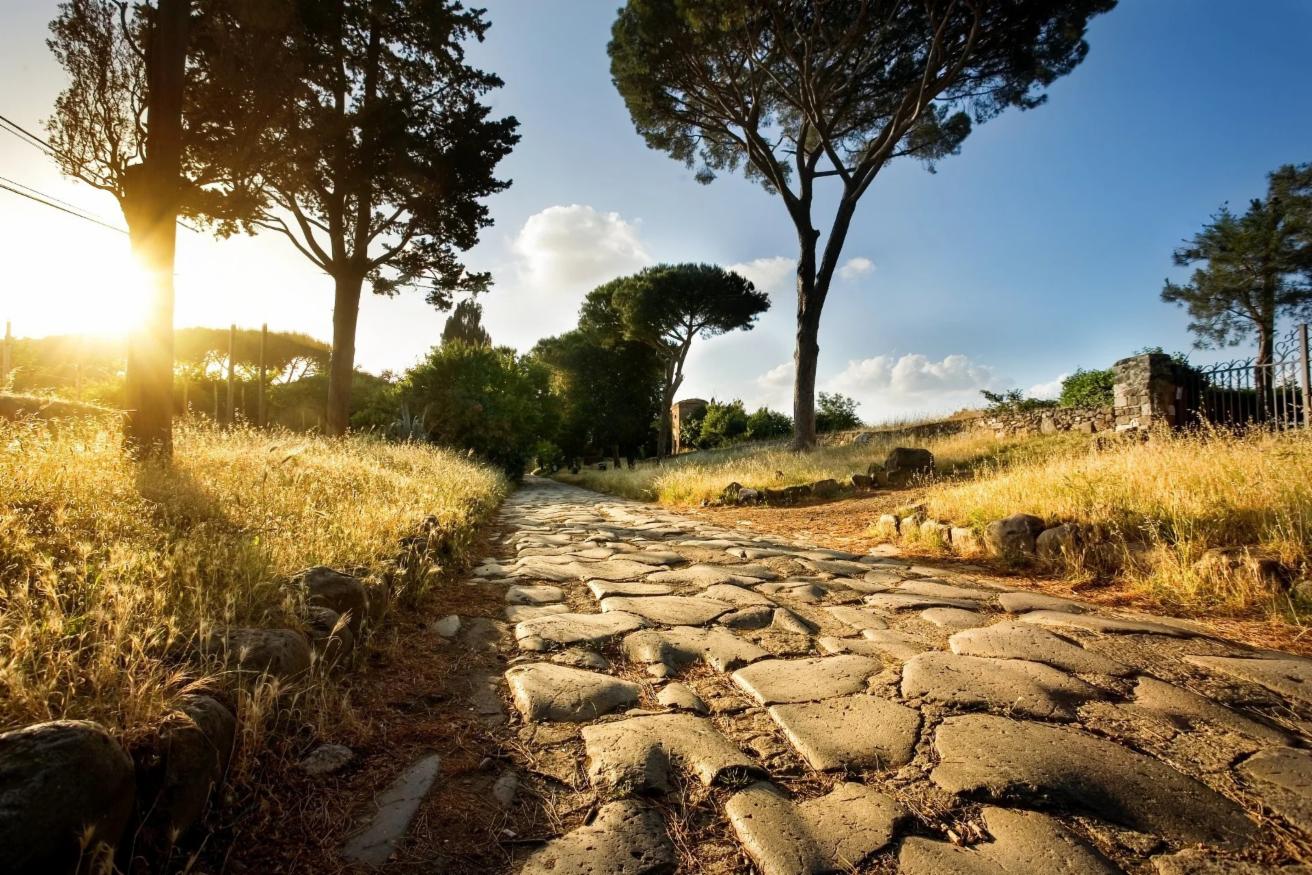
From the Via Appia to the Danube, Roman roads began as tools of conquest and became the lifelines of an empire. Following archaeologists across England, France, Spain, Italy, Romania and Serbia, it traces how engineering, law and trade turned this network into a force that shaped Europe.
-
ORIGINS, A TALE OF LIGHT
If light could talk, what would it tell us? From the Big Bang to the emergence of life, this poetic and scientific series explores, through never-before-seen images created by artist Roman Hill, the forms and movements of the e...
-

Series (9 Episodes available)
-
Director(s):
HILL (Roman)
-
Producer(s):
IKO, ARTE FRANCE
-
Territories:
Worldwide.
-
Production year:
2026
-
Language(s):
German, English, French
-
Rights:
TV, DVD, NON-THEATRICAL, INTERNET, VOD
If light could talk, what would it tell us? From the Big Bang to the emergence of life, this poetic and scientific series explores, through never-before-seen images created by artist Roman Hill, the forms and movements of the entities in our universe, from the Dark Age to planet Earth.
From the Big Bang to the emergence of life, this poetic and scientific series explores, through never-before-seen images created by artist Roman Hill, the forms and movements of the entities in our universe, from the Dark Age to planet Earth. Created by screenwriter Thomas Cadène, astrophysicist David Elbaz, and journalist Corentin Duval, this eight-episode series explores the genesis of the Universe.
-
DUBAI: THE BEACON OF THE 21ST CENTURY
In half a century, Dubai has transformed from a small pearl-fishing port into one of the most prosperous and futuristic cities on the planet, rivaling New York, London, or Paris. With the war waged by the United States and Isra...
-
-
Director(s):
FRITEL (Jérôme)
-
Producer(s):
YAMI 2, ARTE FRANCE
-
Territories:
Worldwide.
-
Production year:
2027
-
Language(s):
German, English, French
-
Rights:
TV, DVD, NON-THEATRICAL, INTERNET, VOD
In half a century, Dubai has transformed from a small pearl-fishing port into one of the most prosperous and futuristic cities on the planet, rivaling New York, London, or Paris. With the war waged by the United States and Israel against Iran, this new Eldorado now faces the gravest crisis of its existence. Will the city of the future withstand this new threat?
Behind the skyscrapers and the glamour, the city operates like a private company, ruled without checks or balances by its emir. A capitalism without democracy, where millions of foreigners have no right but to work.
The film delves into the inner workings of this autocratic regime, held up as a global model, and questions its viability at a time when Dubai is cited as an example for the reconstruction of Gaza.
-
-
KIM, THE DIAMOND AND THE GRANDPA ROBBERS
2016, Paris Fashion Week. A gang of aging robbers attempts the final heist of their career: stealing an 18-carat ring from a woman unknown to them — who turns out to be none other than Kim Kardashian. Their robbery sparks a glo...
-
-
Director(s):
BUTHION (Agnès)
-
Producer(s):
CANAL +, PERNEL MEDIA
-
Territories:
Worldwide.
-
Production year:
2026
-
Language(s):
English, French
-
Rights:
TV, DVD, NON-THEATRICAL, INTERNET, VOD
2016, Paris Fashion Week. A gang of aging robbers attempts the final heist of their career: stealing an 18-carat ring from a woman unknown to them — who turns out to be none other than Kim Kardashian. Their robbery sparks a global media storm, exposing the collision between old-school criminality and modern hyper-celebrity.
Through reconstructions and exclusive testimonies, robbers, police officers, lawyers, jurors, Anglo-Saxon journalists, and an FBI agent reveal what the media has never shown before. Structured like a crime thriller, this pop crime series unfolds the story through the eyes of those who experienced it firsthand. It explores the one question that remains unanswered: where did the ring go?
-
-
ALL ABOUT FUR
What is hair really for? From ants to polar bears, from crabs to whales, hair — fur, bristles or baleen — is almost everywhere in the animal kingdom. A masterpiece of natural engineering, scientists reveal the hidden powers of ...
-

Series (6 Episodes available)
-
Director(s):
MAILLET (Matthieu)
-
Producer(s):
HAUT ET COURT DOC, ARTE FRANCE
-
Territories:
Worldwide.
-
Production year:
2026
-
Language(s):
German, English, French
-
Rights:
TV, DVD, NON-THEATRICAL, INTERNET, VOD
What is hair really for? From ants to polar bears, from crabs to whales, hair — fur, bristles or baleen — is almost everywhere in the animal kingdom. A masterpiece of natural engineering, scientists reveal the hidden powers of fur and hair. A journey across the animal world to uncover how this essential feature helps animals survive, adapt and thrive.
ALL ABOUT FUR is a natural historical journey exploring the extraordinary diversity of animal hair and its often overlooked functions, across the wild landscapes of the animal kingdom worldwide. This documentary series examines the role of hair through three fundamental challenges of life: facing the climate, feeding, and defending. From Antarctica to Namibia, Costa Rica, the U.S., Canada, Mexico, France, all the way to India, this visual journey is proof that fur is one of nature’s most ingenious inventions: whether serving as a thermal shield, a hunting tool, or camouflage, it has shaped animal life on Earth.
-
Guilty Pleasures: Big Food on Trial
First there was Big Tobacco, now it’s time for Big Food. The first lawsuits were filed a couple months ago. Children are at the heart of the matter since it has been revealed that the junk food industry targeted them with dange...
-
-
Director(s):
MOREIRA (Paul)
-
Producer(s):
PREMIERES LIGNES TELEVISION, ARTE FRANCE
-
Territories:
Worldwide.
-
Production year:
2027
-
Language(s):
German, English, French
-
Rights:
TV, DVD, NON-THEATRICAL, INTERNET, VOD
First there was Big Tobacco, now it’s time for Big Food. The first lawsuits were filed a couple months ago. Children are at the heart of the matter since it has been revealed that the junk food industry targeted them with dangerously sophisticated global marketing methods.
After Big Tobacco, it is Big Food's turn now. In the United States, the first lawsuits are being filed, and they show a global reality: for more than thirty years, the giants of the food industry have been secretly tightening their grip on children.
From North America to the Southern Hemisphere, all the way to Europe, a whole generation grew up under the grip of the junk food industry. Child malnutrition is no longer defined by thinness but by obesity. It is a quiet pandemic, fueled by increasingly sophisticated and intrusive marketing campaigns, from chemical conditioning to social media addiction.
Lawyers have unearthed previously unpublished documents that expose the industry's methods in every detail. Secret archives and eyewitness accounts form the backbone of this documentary and shed light on three decades of struggle.
-
-
THE GREAT EGYPTIAN MYTHS
After The Great Greek Myths, The Iliad and The Odyssey, and The Viking Myths, get ready to dive into the fascinating world of ancient Egypt and the secrets of the gods who shaped its mythology.
-
Series
-
Director(s):
GUENA (Pauline), BUSNEL (François)
-
Producer(s):
ROSEBUD PRODUCTIONS, ARTE FRANCE
-
Territories:
Worldwide.
-
Production year:
2027
-
Language(s):
German, English, French
-
Rights:
TV, DVD, NON-THEATRICAL, INTERNET, VOD
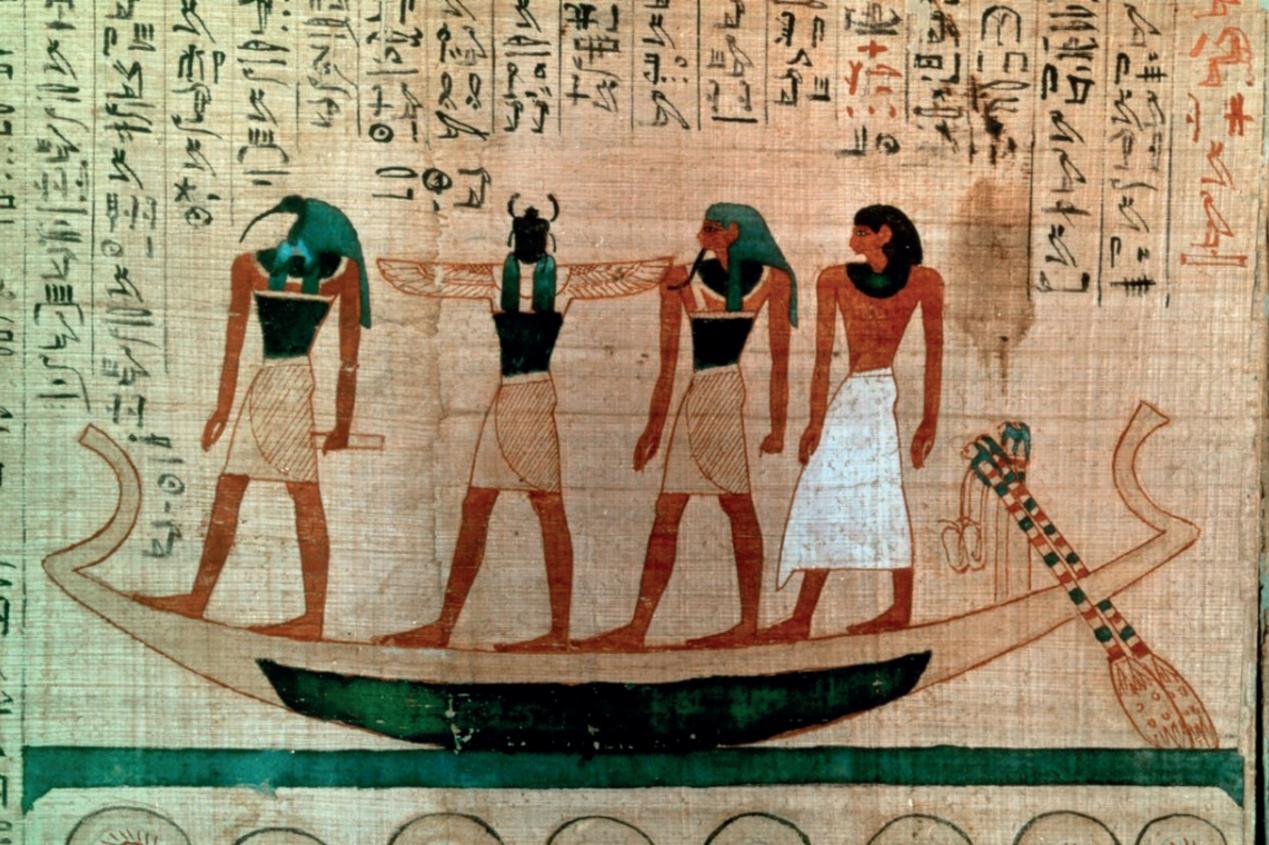
After The Great Greek Myths, The Iliad and The Odyssey, and The Viking Myths, get ready to dive into the fascinating world of ancient Egypt and the secrets of the gods who shaped its mythology.
The Egyptian civilization, both fascinating and millennial, is one of the richest and most mysterious civilizations in the world. It survived for twice as long as the current Western Christian civilization. It was built around a constellation of gods and goddesses. Between ancient papyri, betrayals and secret powers, Egyptian mythology reveals a spiritual world where each deity, protagonist of the greatest legends of our culture, embodied a facet of life and nature. A journey into the heart of the invisible and the sacred, where beliefs and art collide.
-
THE DARK SIDE OF CRUISING
Massive pollution, labor exploitation, corruption, privatization of public land and the destruction of marine ecosystems, a two-part, 45-minute investigation into this secretive and extremely powerful industry, which welcomes 3...
-

Series
-
Director(s):
CHROBOG (Christian-Karim)
-
Producer(s):
ANDAMAN FILMS, ARTE FRANCE
-
Territories:
Worldwide.
-
Production year:
2027
-
Language(s):
German, English, French
-
Rights:
TV, DVD, NON-THEATRICAL, INTERNET, VOD
Massive pollution, labor exploitation, corruption, privatization of public land and the destruction of marine ecosystems, a two-part, 45-minute investigation into this secretive and extremely powerful industry, which welcomes 30 million passengers each year and generates $75 billion in revenue.
From corporate headquarters in Miami to the power circles of Washington, D.C., and across the Caribbean, Europe, and Asia, this documentary thriller traces the hidden networks where law firms, exotic flags, and offshore companies intertwine in a meticulously orchestrated web. While passengers disembark in the Caribbean or Northern Europe, workers speak out about grueling schedules and constant pressure, and experts reveal the extent of the environmental impacts caused by major cruise lines—a lucrative and rapidly growing industry.
-
Predators of the Great Barrier Reef
The Great Barrier Reef, one of the seven natural wonders of the world, is home to some of the most breathtaking life forms on the planet. Ravaged by the effects of climate change, some believe all hope is lost. Yet others, driv...
-
Series (8 Episodes available)
-
Director(s):
JACKSON (John), PIANTANIDA (Thierry)
-
Producer(s):
GENS BIEN PRODUCTION (LES), ARTE GEIE
-
Territories:
Worldwide.
-
Production year:
2025
-
Language(s):
German, English, French
-
Rights:
TV, DVD, NON-THEATRICAL, INTERNET, VOD
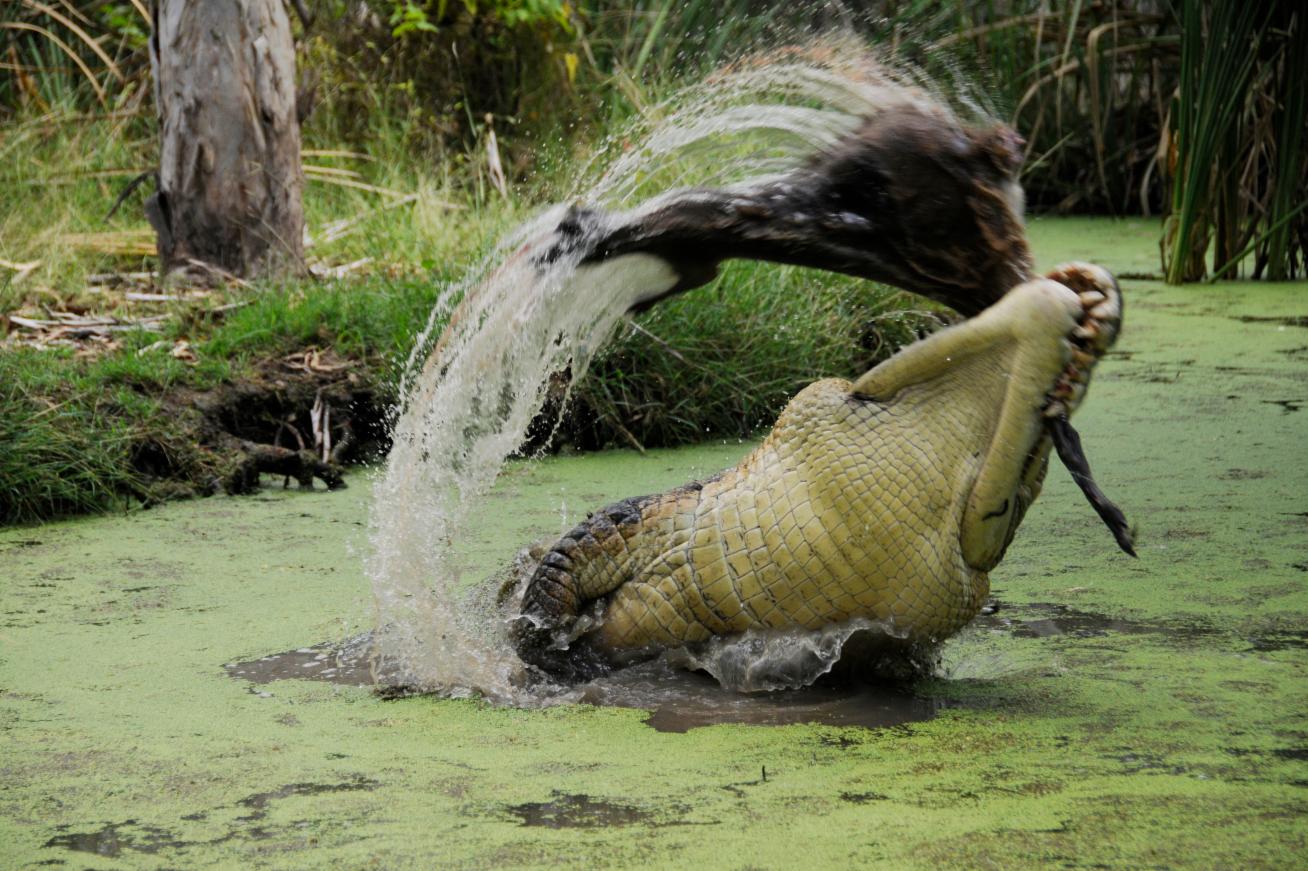
The Great Barrier Reef, one of the seven natural wonders of the world, is home to some of the most breathtaking life forms on the planet. Ravaged by the effects of climate change, some believe all hope is lost. Yet others, driven by courage and determination, are working tirelessly to find ingenious and practical solutions. This is the case for marine biologist Richard Fitzpatrick and his teams, who are dedicated to saving the Great Barrier Reef by implementing innovative scientific protocols to restore damaged coral. Stepping out of their labs, these field scientists show what imagination, science, and action can achieve.
The Great Barrier Reef, one of the seven natural wonders of the world, is home to some of the most breathtaking life forms on the planet. Ravaged by the effects of climate change, some believe all hope is lost. Yet others, driven by courage and determination, are working tirelessly to find ingenious and practical solutions. This is the case for marine biologist Richard Fitzpatrick and his teams, who are dedicated to saving the Great Barrier Reef by implementing innovative scientific protocols to restore damaged coral. Stepping out of their labs, these field scientists show what imagination, science, and action can achieve.
-
BLOOD, SWEAT AND SUGAR
What is the price of sugar, this delicious poison? WIth sequences set in the present day, this historical investigation reveals a global system still fueled by the exploitation of land and people that is rooted in its original ...
-


Series (2 Episodes available)
-
Director(s):
DAMOISEL (MATHILDE)
-
Producer(s):
HAUTEVILLE Productions, ARTE FRANCE
-
Territories:
Worldwide.
-
Production year:
2025
-
Language(s):
German, English, French
-
Rights:
TV, DVD, NON-THEATRICAL, INTERNET, VOD
What is the price of sugar, this delicious poison? WIth sequences set in the present day, this historical investigation reveals a global system still fueled by the exploitation of land and people that is rooted in its original sin: slavery.
What is the price of sugar? How much does the fleeting pleasure of this delicious but useless poison really cost? It's a global addiction that has been fueled by the exploitation of land and people for over five centuries. Sugar was the basis of a civilization which, from the transatlantic slave trade to modern forms of exploitation, has never ceased to brutalize labor in all its forms, and to perpetuate immense lies in order to guarantee the prosperity of its industry. The whole world has been shaped by sugar. From Brazil to Réunion, from Europe to South Africa and from India to the Dominican Republic, its production has laid the foundations for the modern capitalist system, devastated the environment, and led to massive population movements. As the curse of sugar continues to haunt certain parts of the world, we set off to these exploited lands to discover a history of which we are all heirs.


Loading...